European governments are preparing a coordinated response to U.S. tariff threats that have rapidly escalated into one of the most serious transatlantic trade disputes in years. The tensions stem from U.S. President Donald Trump’s announcement that he plans to impose increasing tariffs on key European trading partners unless they acquiesce to a controversial demand regarding Greenland’s sovereignty and potential U.S. control — a move that has rattled markets and diplomatic relations.
Tariffs as Leverage Over Greenland
In a hard-hitting message issued in mid-January, Trump said that unless the United States is permitted to pursue its claim over Greenland — a semi-autonomous Danish territory — tariffs of 10% on imports from eight European allies will take effect from February 1, 2026. Those nations include Denmark, Norway, Sweden, France, Germany, the United Kingdom, the Netherlands and Finland, all of whom have publicly supported Greenland’s current status with Denmark. The tariffs are slated to rise to 25% by June 1 if no diplomatic resolution is reached.
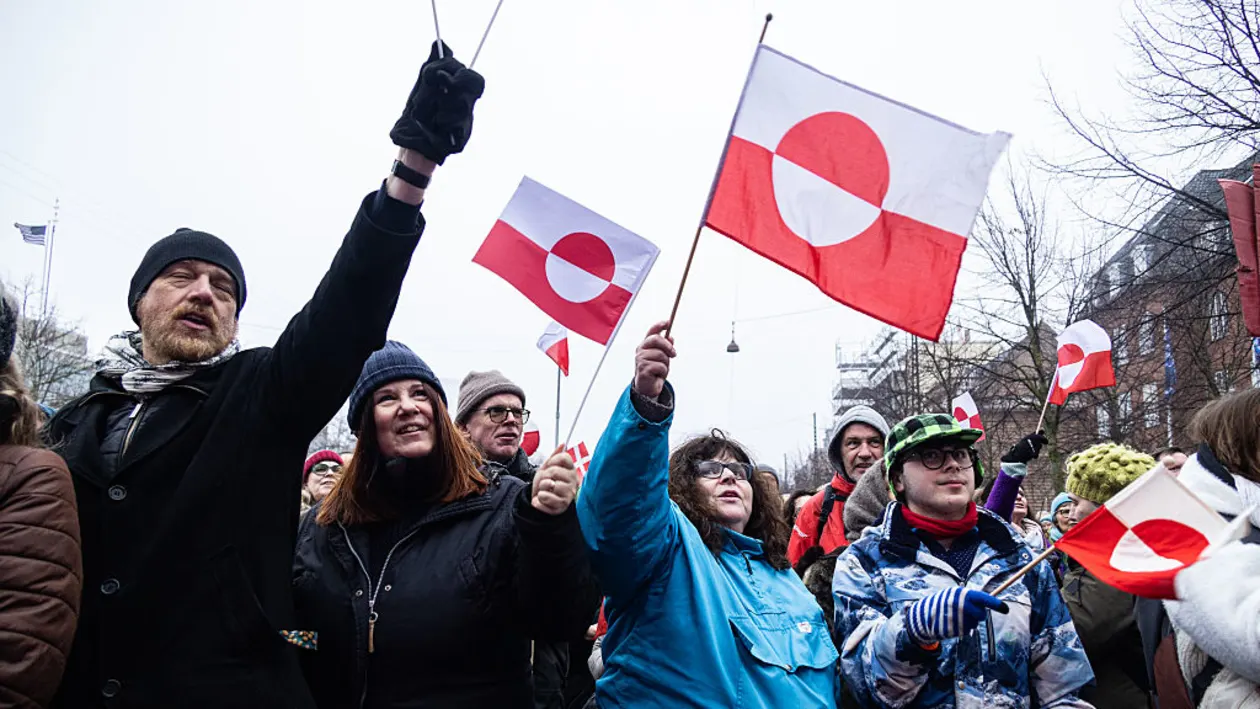
Trump’s assertion — framed around strategic security and resource considerations in the Arctic — has been met with fierce criticism from European leaders, who argue that such economic pressure amounts to “blackmail” between long-standing allies and risks undermining the Western alliance. France’s President Emmanuel Macron and Germany’s finance ministers have both rejected the threats outright, pledging a united European front.
EU Considers Retaliatory Measures
European Union officials have held emergency consultations in Brussels in response to the tariff threat. Diplomatic sources say the bloc is ready to activate its Anti-Coercion Instrument (commonly referred to as the EU’s “trade bazooka”), a tool designed to counteract economic pressure from external powers by imposing countermeasures such as tariffs, restrictions on market access, or limits on public procurement participation.
Another option under discussion is a package of retaliatory tariffs totalling as much as €93 billion ($107.7 billion) on U.S. goods — a levy that could kick in automatically as early as February 6 if the U.S. duties proceed. These countermeasures have been prepared in anticipation of trade disputes, but would mark a rare deployment of Europe’s defence tools against a close economic partner.
European Commission President Ursula von der Leyen and EU Council leaders have warned that unilateral U.S. tariffs could trigger a “dangerous downward spiral” in relations, damaging not just trade flows but broader geopolitical cooperation. Emergency meetings with NATO and diplomatic channels are ongoing, but unity on specific retaliatory measures varies among member states.