
Across the United States, a growing number of state legislatures are considering or have passed laws aimed at incorporating Bitcoin and other digital assets into public financial frameworks. This movement — sometimes referred to by policymakers and industry observers as a “crypto reserve race” — reflects both a desire to innovate in state finance and a belief that digital assets can offer diversification alongside traditional investment holdings.
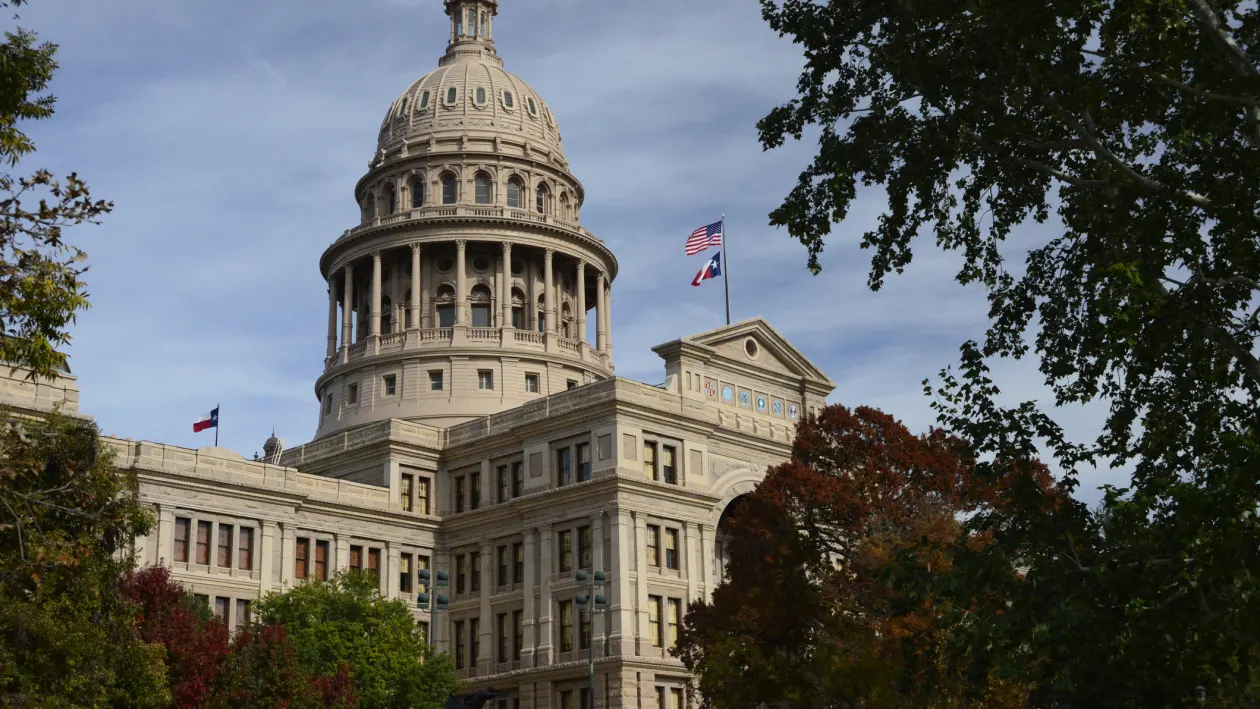
In this emerging trend, Texas has taken a pioneering role. Following the passage of Senate Bill 21 (S.B.21) in 2025 — legislation that formally created the Texas Strategic Bitcoin Reserve — the state became the first to actually begin allocating public funds toward crypto exposure. The law, signed by Governor Greg Abbott, authorises the state comptroller to invest in cryptocurrencies with large market capitalisations, such as Bitcoin. On November 20, 2025, the state executed a first investment of approximately $5 million in a Bitcoin-linked exchange-traded fund via BlackRock’s iShares Bitcoin Trust (IBIT), signalling the start of a long-term experiment in digital reserve management.
Meanwhile, New Hampshire passed its own crypto strategic reserve law before Texas, empowering the state treasurer to invest a limited percentage of public funds into digital assets, including Bitcoin and crypto-related exchange-traded products. Under that legislation, up to 5% of state funds can be allocated — a framework that aims to strike a balance between innovation and fiscal caution.
The broader legislative momentum is bipartisan and geographically diverse. States such as Arizona, Massachusetts, Ohio, and South Dakota are actively reviewing or advancing similar measures, with lawmakers looking to establish governance structures, custodial safeguards, and reporting protocols that would govern any crypto investments under official state portfolios. These efforts go beyond simple experimentation and mark a strategic reevaluation of long-standing public investment practices.
Proponents argue that including digital assets like Bitcoin in public reserves could modernise investment strategies and demonstrate leadership in emerging technologies — especially in states with strong tech sectors or significant blockchain industry presence. For example, Texas’s heavy role in Bitcoin mining and blockchain entrepreneurship has helped position it as a natural leader in the debate.
Critics caution that such moves expose public funds to significant volatility and risk. Bitcoin’s price swings can be dramatic, and traditional public finance doctrine places emphasis on liquidity, stability and risk-adjusted returns — criteria that digital assets often struggle to meet. Some financial policy experts argue that careful oversight and strict caps on allocations are essential to mitigate potential negative impacts on taxpayers.
Nonetheless, this trend is occurring alongside broader interest at the federal level as well. In 2025, the U.S. federal government — through executive action — established a Strategic Bitcoin Reserve proposal aimed at leveraging seized Bitcoin and other cryptocurrencies as part of national asset holdings, further signalling that digital asset policy is shifting from fringe to mainstream.
If more states follow suit and begin holding significant crypto positions, it could represent a major evolution in public finance, challenging conventional wisdom about investment policy while reflecting the rising political and economic influence of the cryptocurrency sector across the United States.