
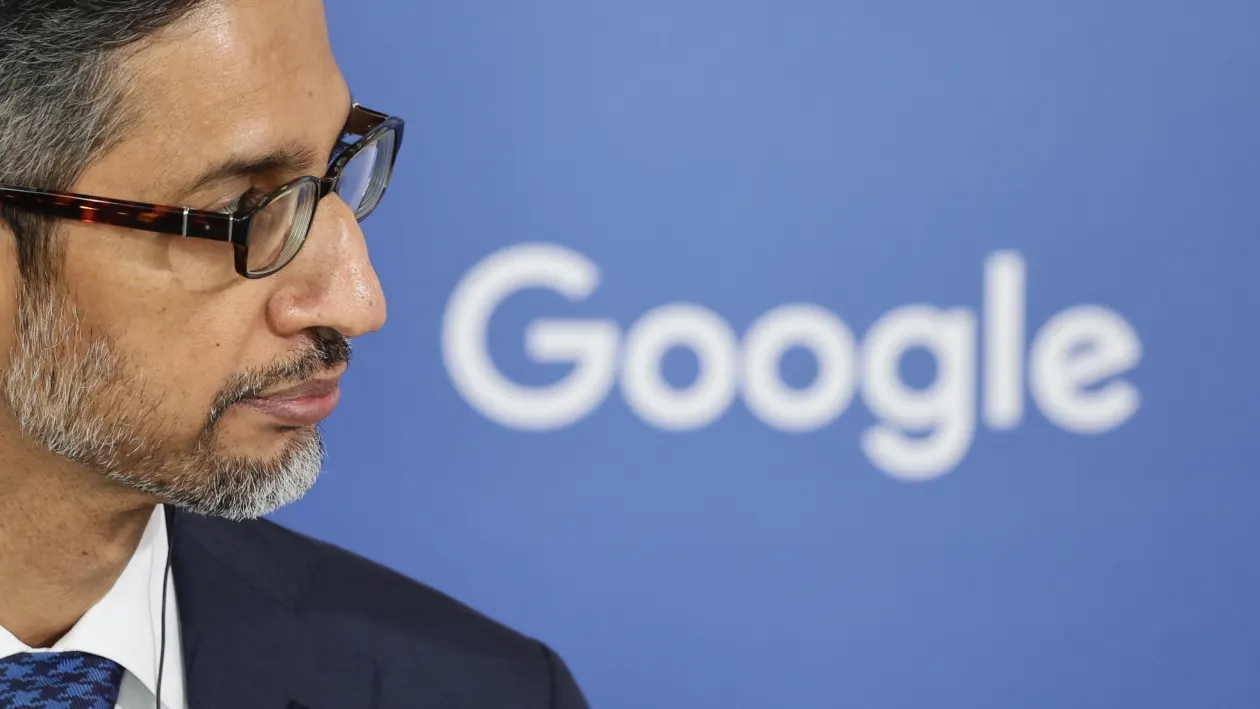
Alphabet-owned Google has filed a formal appeal in response to a sweeping U.S. federal court ruling that found the company maintained an illegal monopoly over online search, marking a significant escalation in the tech giant’s ongoing antitrust battle. In filings submitted this week, Google is also seeking a temporary pause on certain court-mandated remedies while its appeal winds through the legal process — a move aimed at protecting core business practices and proprietary data.
The underlying case traces back to an antitrust lawsuit filed by the U.S. Department of Justice (DOJ) and a coalition of states, which alleged that Google used exclusionary agreements with device makers, browsers and other partners to stifle competition and cement its dominance in both online search and search advertising. In August 2024, U.S. District Judge Amit Mehta ruled that Google’s conduct violated federal antitrust law, a landmark decision that many legal experts have compared to historic technology antitrust cases.
Key aspects of the ruling included provisions requiring Google to take measures that would create a more level playing field for rivals. Among the remedies imposed was a requirement that Google share certain search interaction data and indexing information with qualified competitors and syndicate search results — steps intended to help challengers match some of Google’s technical capabilities. The judge also ordered changes to how long Google can set its search engine as the default on mobile devices, potentially limiting blanket default agreements with companies like Apple and Samsung.
In its appeal filing and related court papers, Google argued that the data-sharing requirement, in particular, could irreversibly expose trade secrets and sensitive operational information if implemented before a higher court has reviewed the legal merits of the original ruling. The company is therefore asking the U.S. Court of Appeals for the D.C. Circuit to defer enforcement of that part of the remedy pending appeal, although it is willing to comply with other aspects, such as limitations on default search engine contracts.
In a statement, Google Vice President Lee-Anne Mulholland wrote that the original ruling “ignored the reality that people use Google because they want to, not because they’re forced to,” and contended that the decision failed to account for vigorous competition and innovation in digital search services from both established players and well-funded startups. Tech industry commentators have noted that this appeal could stretch the legal battle into 2027 or beyond, especially if the case reaches the Supreme Court.
Legal experts say that the outcome of this appeal will have profound implications not just for Google, but for how federal courts and regulators approach antitrust enforcement in digital markets. A successful appeal could delay or prevent enforcement of remedies that would alter the competitive landscape of internet search and search-related advertising, while a defeat for Google could usher in a new era of regulatory oversight for Big Tech.