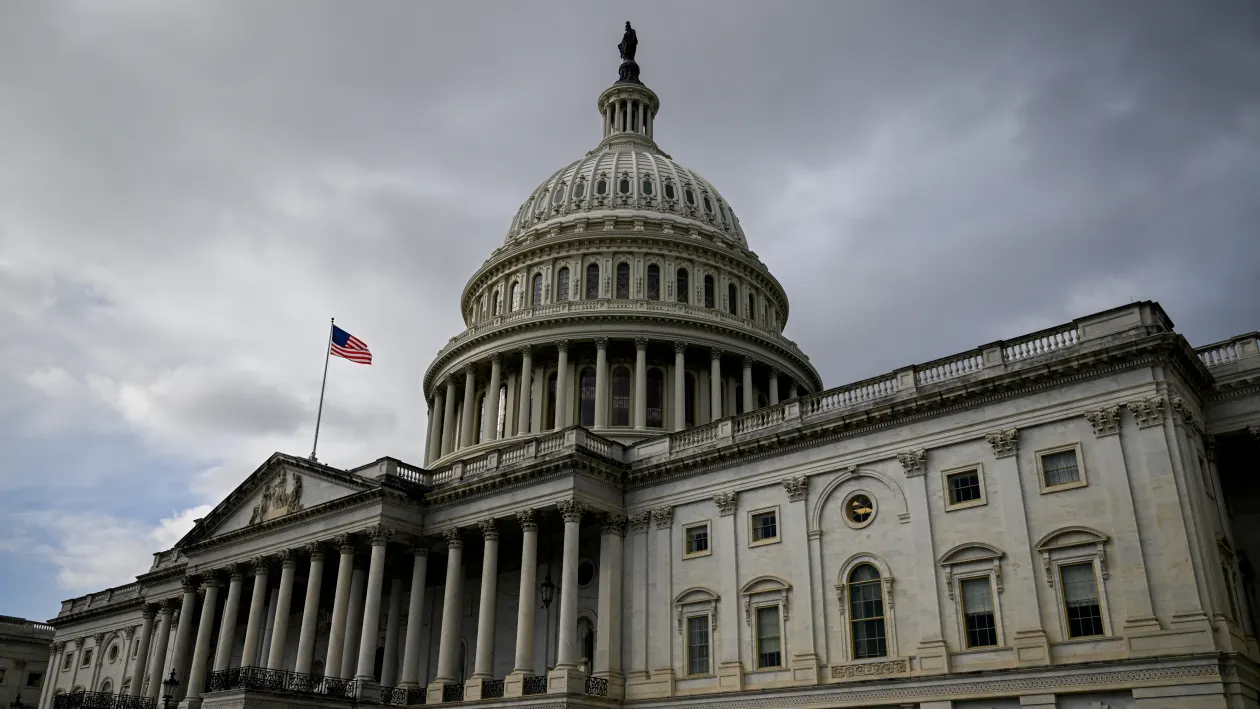
Regulatory developments in the United States have returned to the forefront of crypto market discussions as lawmakers advance new proposals aimed at clarifying how digital assets should be governed. Recent reports amplified by Watcher Guru and Reuters highlight renewed efforts to establish a clear framework that defines oversight responsibilities and legal classifications for cryptocurrencies.
At the heart of the debate is the long-standing question of whether certain digital assets should be regulated as securities or commodities. Proposed legislation seeks to clarify the roles of the Securities and Exchange Commission and the Commodity Futures Trading Commission, providing exchanges and developers with clearer compliance expectations.
Industry response has been divided. While many crypto firms support regulatory clarity as a pathway to broader institutional adoption, others have expressed concern that certain provisions could impose excessive compliance burdens or restrict innovation. Market participants argue that striking the right balance will be critical to ensuring the U.S. remains competitive in the global digital asset landscape.
Investor sentiment has reflected this uncertainty. Traders have gravitated toward larger, more established cryptocurrencies such as Bitcoin and Ethereum, while smaller tokens have seen reduced liquidity. Analysts suggest that regulatory clarity could unlock new capital inflows, particularly from institutional investors that have remained sidelined due to legal ambiguity.
Historically, regulatory developments have had delayed but significant impacts on crypto markets. Clear frameworks can reduce risk premiums and encourage long-term investment, while prolonged uncertainty can weigh on valuations. As a result, market participants are closely watching legislative progress and political momentum behind the proposals.
Looking ahead, analysts expect regulation to remain one of the defining themes for crypto markets this year. Whether current proposals lead to meaningful reform or extended debate, the outcome will play a key role in shaping how digital assets integrate with traditional financial systems.