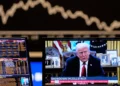
The 2026 World Economic Forum in Davos has opened under mounting geopolitical tensions and questions about the future of multilateral cooperation, as leaders grapple with trade conflicts, security concerns and economic fragmentation. While proponents argue that the summit remains an essential platform for dialogue between policymakers, corporate executives and global institutions, critics note that divergent national agendas and geopolitical rivalries risk diluting consensus. Attendees — including heads of state and leaders of major international organisations — are focused on issues from AI governance to economic resilience, even as geopolitical fault lines shape discussions and highlight the challenges of aligning global priorities.

Saturday, May 30, 2026
Davos 2026 Summit Emerges as Focal Point for Global Geoeconomic Debate

- Trending
- Comments
- Latest










© 2026 The Venture Mag. All rights reserved.